Proper installation of split refrigeration systems and supermarket refrigeration cabinet condensing units is essential for ensuring stable operation, efficient heat exchange, and long service life.
Incorrect installation may result in poor airflow, increased operating pressure, refrigerant leakage, or reduced system reliability.
Based on practical refrigeration engineering experience, Runte summarizes the key installation requirements for external condensing units, supporting structures, and refrigerant piping connections.
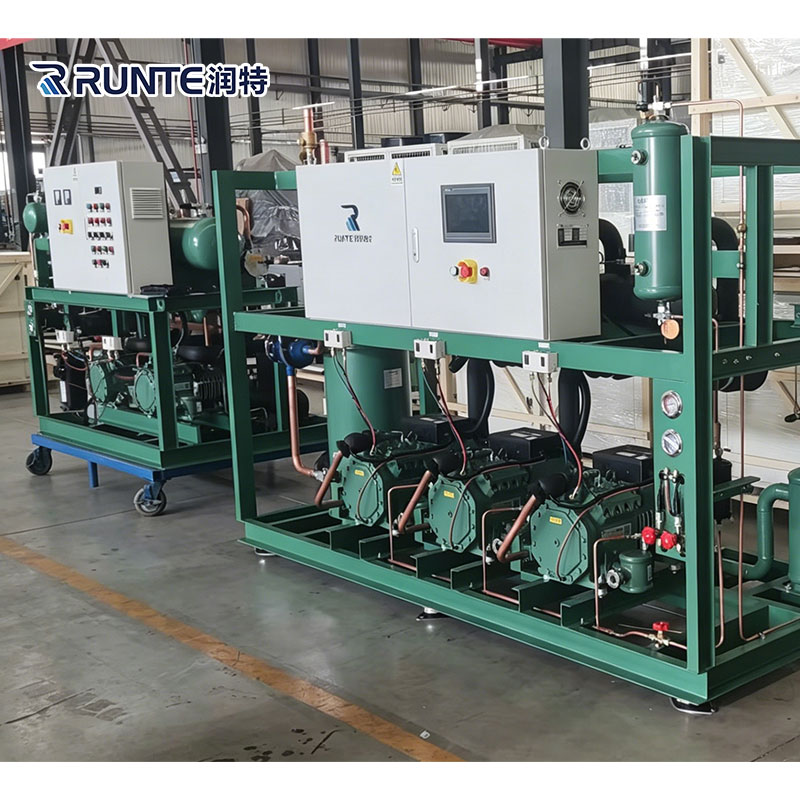
1. Selection of Outdoor Condensing Unit Installation Location
The installation location of the outdoor condensing unit should be selected according to the site layout, ventilation conditions, and heat dissipation requirements.
The installation area must ensure smooth airflow and avoid the following environments:
- • Areas where flammable gases may leak
- • Locations with strong corrosive gases
- • Areas affected by strong electric fields or magnetic fields
- • Locations prone to resonance or noise-sensitive environments
- • Areas exposed to direct sunlight or high-temperature heat sources
- • Places easily accessible by children
The outdoor condensing unit should be installed away from nearby building doors, windows, and green plants to prevent airflow obstruction and heat accumulation.
Recommended minimum clearance:
- • For units with rated cooling capacity below 4.5 kW: no less than 3 meters
- • For units with rated cooling capacity above 4.5 kW: no less than 4 meters
Proper installation clearance helps improve condenser ventilation and ensures efficient refrigeration performance.
2. Installation Surface and Load-Bearing Requirements
The installation surface of the condensing unit must be solid, stable, and capable of supporting the equipment weight.
When installing the unit on existing walls, non-load-bearing walls, or rooftops, the foundation must be constructed with:
- • Solid brick structures
- • Concrete structures
- • Or other supporting structures with equivalent strength
The steel brackets used for fixing and supporting the condensing unit must also meet required strength and corrosion-resistance standards.
A reliable installation foundation helps reduce vibration, noise, and long-term mechanical stress during operation.
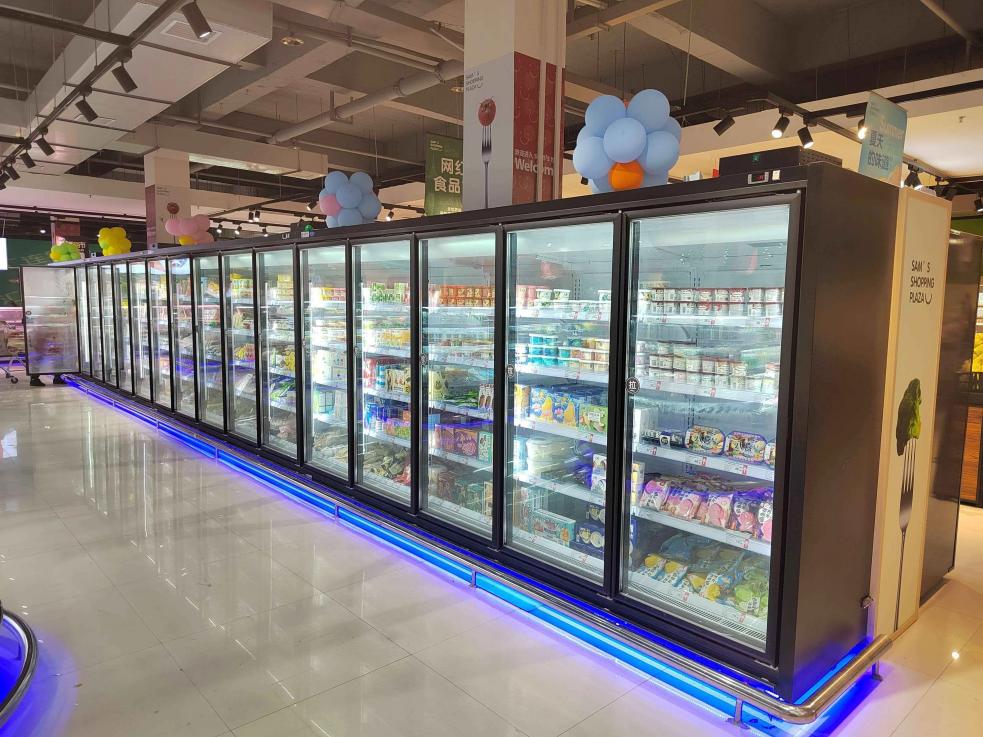
3. Refrigerant Piping Connection and Installation Requirements
The copper refrigerant pipes (suction line and liquid line) are the core channels for refrigerant circulation in the refrigeration system.
The internal and external surfaces of copper pipes must be free from:
- • Dents
- • Sand holes
- • Scratches
- • Other defects that may affect system performance
The connection between the indoor evaporator cabinet and outdoor condensing unit is a critical step during installation.
Flare Connection and Pipe Routing
- • Ensure accurate alignment before connection
- • Keep pipe routing reasonable
- • Maintain proper bending radius to avoid pipe damage
Tightening Requirements
It is recommended to use a torque wrench and tighten connections according to the specified torque value.
- • Excessive tightening torque may cause flare cracks
- • Insufficient tightening torque may result in refrigerant leakage
Leak Testing and Sealing Inspection
After completing the refrigeration system connection, high-pressure pressure holding and leak testing must be carried out.
All connection points should be carefully inspected to ensure a fully sealed refrigeration system without leakage.
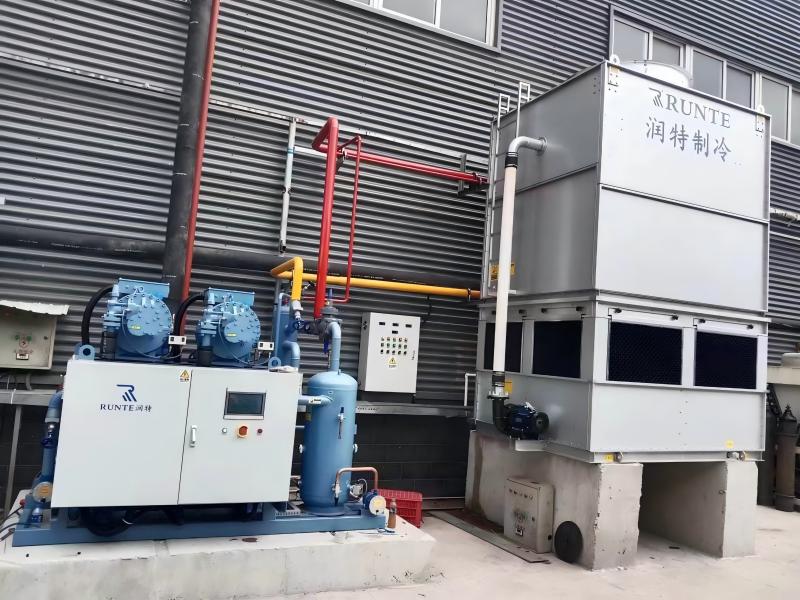
Reliable Refrigeration System Installation by Runte
Runte specializes in manufacturing commercial refrigeration equipment, including:
- • Supermarket refrigeration cabinets
- • Split refrigeration systems
- • Condensing units
- • Cold room refrigeration solutions
With professional manufacturing capabilities and refrigeration engineering experience, Runte provides reliable refrigeration solutions for supermarkets, food retail stores, and commercial cooling applications.
FAQ
What should be considered when installing a refrigeration condensing unit?
The key factors include installation location, ventilation space, supporting structure strength, and refrigerant piping quality.
Why is proper outdoor unit installation important?
A correct installation location ensures efficient heat dissipation, reduces operating pressure, and improves system reliability.
Why is refrigerant piping installation critical?
Poor piping connection or insufficient sealing may cause refrigerant leakage, reduced cooling performance, and unstable system operation.
About Runte
Runte is a professional refrigeration equipment manufacturer specializing in supermarket refrigeration cabinets, condensing units, and cold room systems.
Post time: Jul-29-2026