Fresh fruits and vegetables release heat, moisture, and carbon dioxide after harvest through continuous respiration. Without prompt post-harvest cooling, fresh produce loses water weight, develops rot, and quickly loses commercial value.
A dedicated commercial cold storage room controls core temperature and relative humidity, extending market shelf life from several days to months.
Below are the primary engineering factors to check when selecting a produce cold storage room.
Temperature Zones & Chilling Injury Prevention
Different crops require distinct temperature settings to slow metabolism without damaging tissue:
- ✔ Leafy Greens & Berries (0°C to +2°C): Low temperature retards bacterial growth while preventing cell freezing.
- ✔ Root Vegetables & Pome Fruits (0°C to +4°C): Apples, pears, and carrots hold crispness for 2 to 6 months in this range.
- ✔ Tropical Fruits & Solanaceous Produce (+8°C to +13°C): Bananas, mangoes, and tomatoes suffer chilling injury (skin pitting and internal browning) if stored below +7°C.
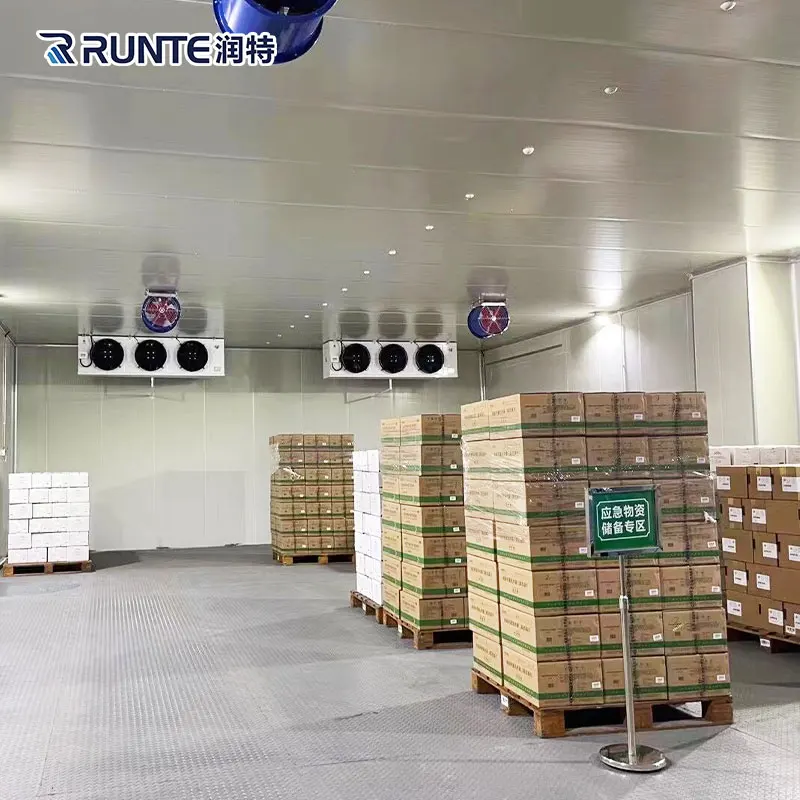
High Relative Humidity Management (85% – 95% RH)
Fresh produce is 80% to 95% water by weight. Ambient air with low humidity draws moisture out of produce skins, leading to visible shriveling and weight loss.
- Evaporator Selection: Use unit coolers with large heat-exchange surface areas.
- Temperature Differential: Keep the temperature difference between the coil and room air small (ΔT≤4°C). This minimizes moisture condensation on the fin coils and maintains stable 90%+ relative humidity.
Ethylene Gas Control & Room Layout
Certain fruits (such as ripe apples and bananas) produce high volumes of ethylene gas (C2H4), which triggers premature yellowing and bitterness in sensitive vegetables like lettuce and carrots.
- Store high-ethylene emitters in separate cold storage compartments.
- Install timed fresh-air exchange dampers or in-line catalytic ethylene scrubbers to protect sensitive stock.
PU / PIR Insulation Panel Specifications
Insulation quality directly determines daily compressor run hours and power consumption:
- Panel Thickness: 100mm rigid Polyurethane (PU) / PIR sandwich panels (±40–42 kg/m³ density) deliver required thermal resistance for positive-temperature storage (+0°C to +10°C).
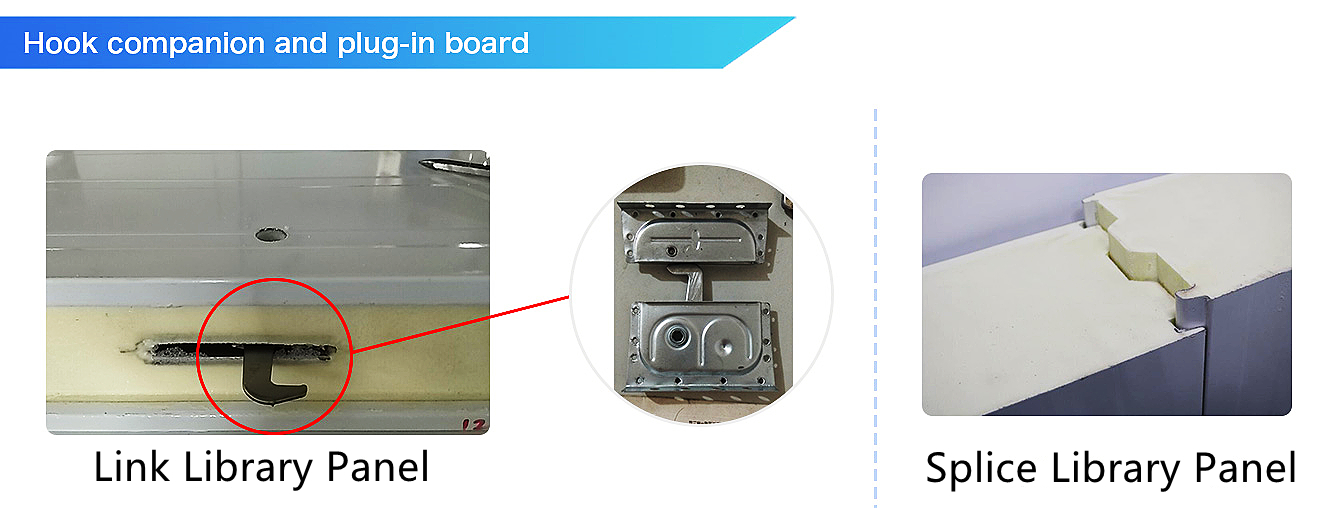
- Joint System: Built-in eccentric cam-locks provide tight mechanical locking without on-site cutting.
- Surface Finishes: Food-grade prepainted galvanized steel (0.5mm PPGI) or 304 stainless steel resists constant high humidity and frequent washdowns.
Refrigeration Unit & Defrost Design
- Compressor Types: Hermetic scroll units or semi-hermetic reciprocating condensing units provide steady suction pressure. Inverter-driven units automatically adjust capacity to fluctuating daily loading weights.
- Defrost Cycles: For positive-temperature rooms (+2°C and above), natural off-cycle air defrost prevents temperature spikes and reduces heating power draw.

Turnkey Produce Cold Room Solutions by Runte
With over 20 years of manufacturing experience and installations across 60+ countries, Runte Refrigeration manufactures complete walk-in cold rooms, B1 fire-rated PU panels, and matching condensing units.
Post time: Nov-19-2026