Choosing the right compressor affects cold room performance, energy consumption, and long-term reliability. Bitzer and Copeland both offer compressor solutions for commercial refrigeration, but the best choice depends on the project requirements.
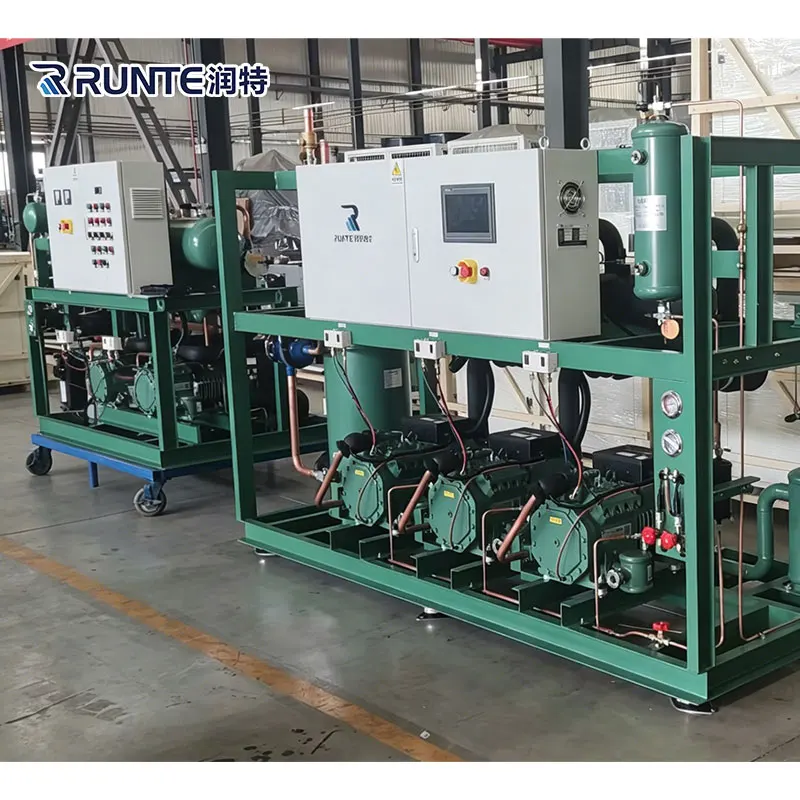
Bitzer vs. Copeland: Key Differences
Copeland scroll compressors are commonly used in suitable commercial refrigeration applications where compact design and reliable operation are important.
Bitzer offers reciprocating and screw compressors for a range of commercial and industrial refrigeration applications, including low-temperature systems and multi-compressor racks.

Neither brand is the best choice for every project. Cooling capacity, operating temperature, refrigerant, ambient conditions, and power supply should all be considered during selection.
Runte Condensing Unit Solutions
Runte manufactures customized condensing units with compressor options from brands such as Bitzer and Copeland, depending on project requirements.
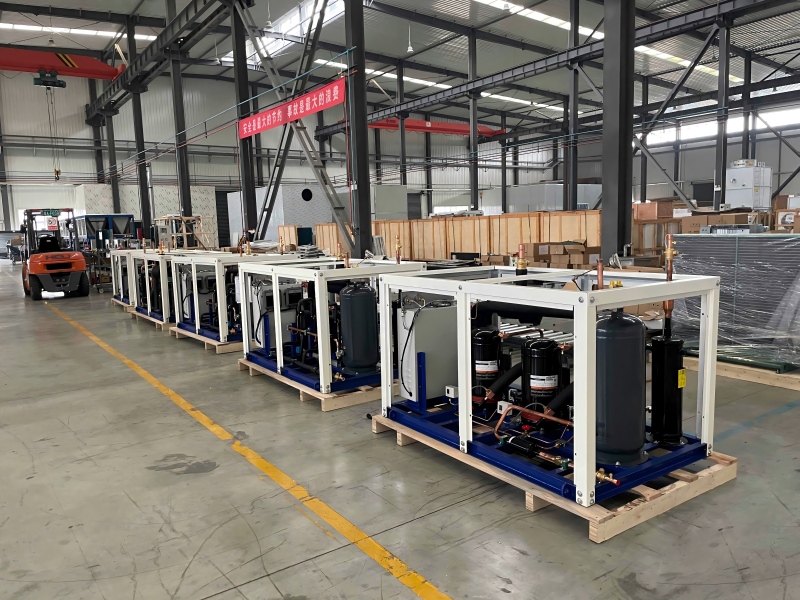
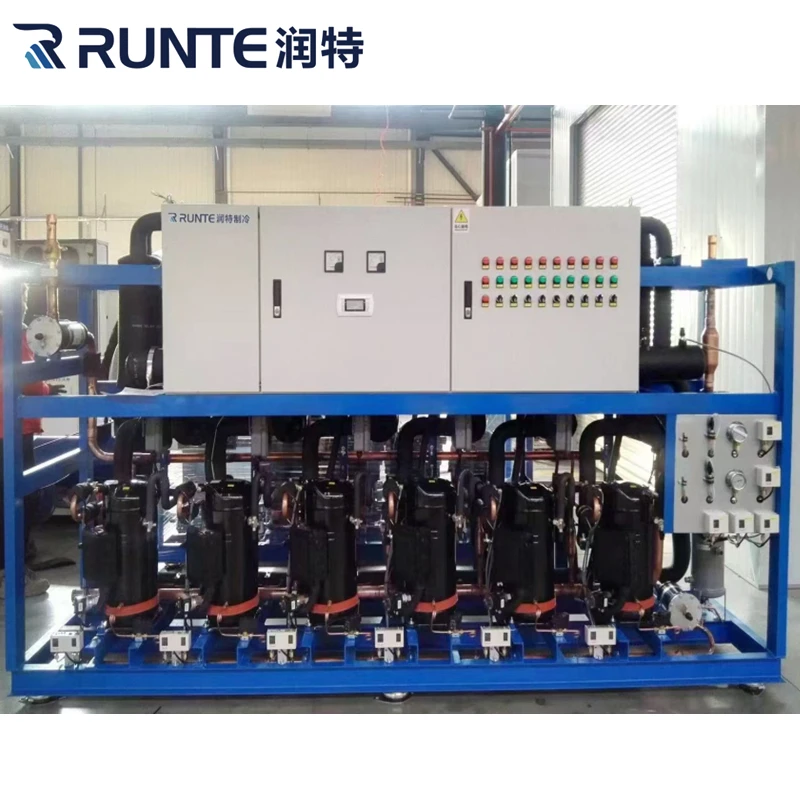
Configurations can be tailored to different cooling capacities, operating conditions, and electrical specifications. For projects with varying refrigeration loads, Runte also supplies parallel compressor racks designed for staged capacity control.
Runte provides cold storage systems and commercial display cabinets for supermarkets, food processing facilities, and other refrigeration projects.
How to Choose the Right Compressor
Before requesting a quotation, prepare your required cooling capacity, target temperature, refrigerant, local ambient conditions, and power supply specifications. These details help determine a suitable compressor and condensing unit configuration.
Post time: Oct-21-2026