

In the fast-evolving landscape of cold chain logistics, businesses often face a pivotal decision: commit to a permanent fixed cold storage facility or leverage the flexibility of a mobile cold room solution. This practical guide clarifies key scenarios in which opting for a mobile cold room delivers smarter operational and strategic value.
Core Distinctions
A fixed cold room is a permanent installation, integrated into a building’s structure. It requires substantial construction, permits, and long-term planning, making it best suited for stable, predictable storage needs at one location.
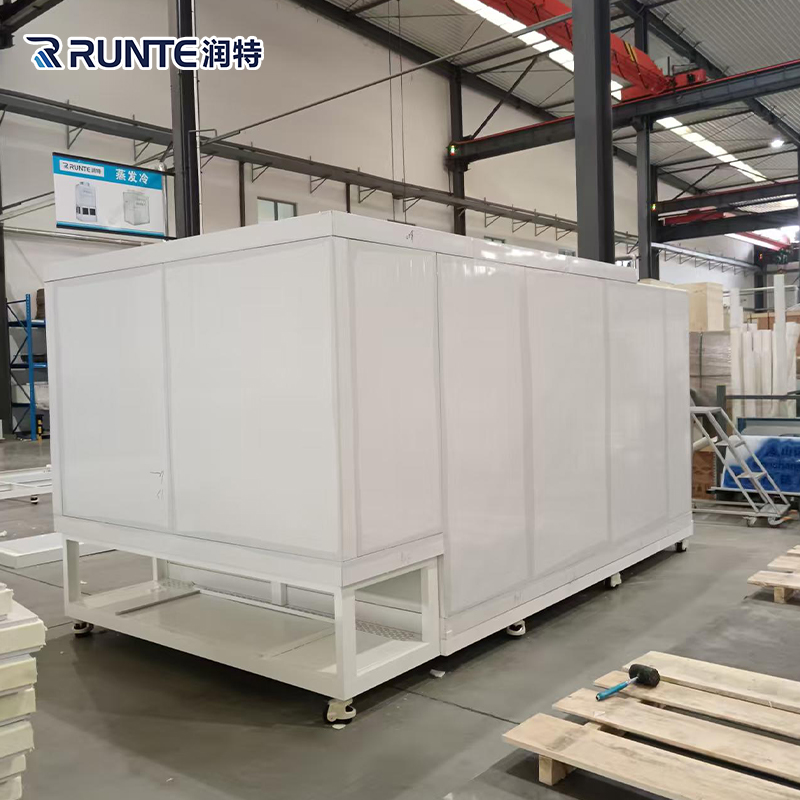
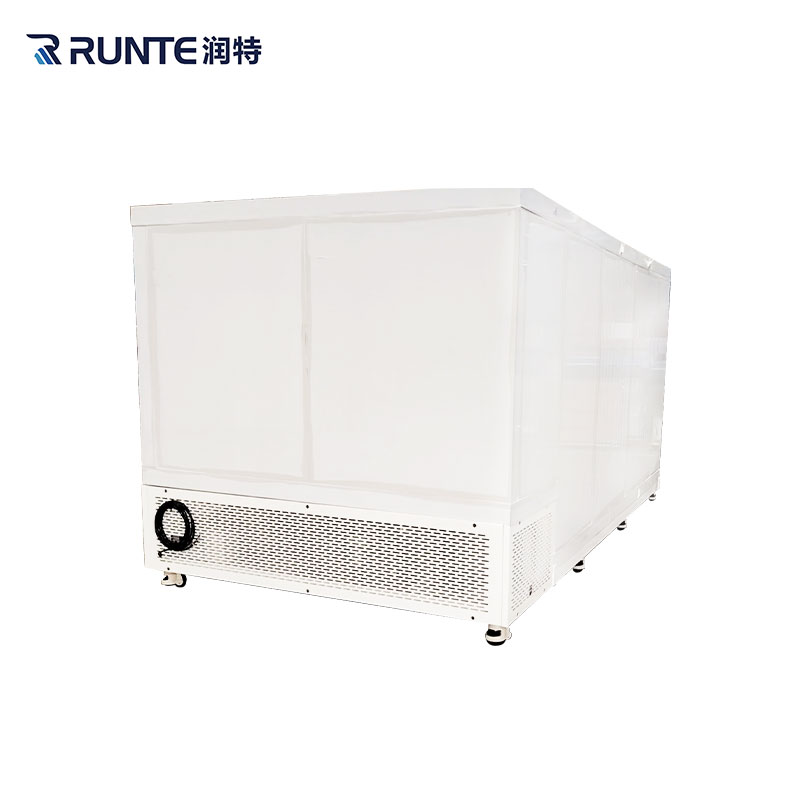
A mobile cold room, also known as a portable cold storage unit, is a self-contained, transportable system that delivers cooling wherever and whenever it’s needed. These units are fully insulated, equipped with an integrated refrigeration system, and often feature independent power options.
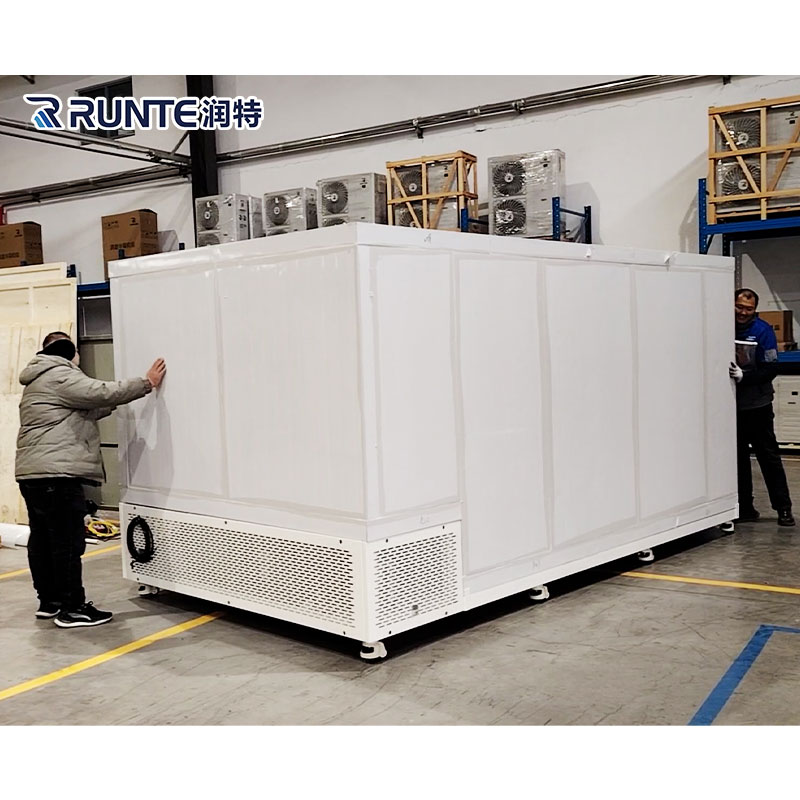
5 Situations Where a Mobile Cold Room Is the Optimal Choice
1. Seasonal Peaks & Harvest Cycles
For farms during harvest, food distributors during holidays, or beverage suppliers in summer
Why mobile makes sense: Many industries experience dramatic, temporary spikes in storage demand. A mobile unit delivers scalable, on-demand capacity without the long-term commitment or capital outlay of permanent construction.
Example: A fruit farm in California deploys two 40ft mobile cold rooms solely during its 12-week harvest window. This eliminates the cost of building and maintaining permanent infrastructure that would sit underutilized for much of the year.
2. Construction, Renovation, or Facility Upgrades
When your existing fixed cold storage is out of service due to building work
Why mobile makes sense: Construction timelines are unpredictable. Mobile cold rooms provide seamless continuity, allowing your business to keep running without costly downtime during upgrades or repairs.
Planning tip: Arrange for mobile units to arrive 1-2 weeks before taking your fixed facility offline. This allows for stable temperature setup and smooth product transfer.
3. Emergency Response & Contingency Planning
Power failures, equipment breakdowns, natural disasters, or supply chain disruptions
Why mobile makes sense: When fixed infrastructure fails, mobile cold rooms act as a rapid-response lifeline. During recent hurricanes in Florida, pharmacies relied on mobile units to maintain temperature-sensitive medications. Many providers offer emergency deployment in 24–48 hours.
Proactive measure: Establish a standby agreement with a reputable mobile cold room supplier before a crisis hits.
4. Testing New Markets or Temporary Locations
Validating demand in a new region without committing to bricks and mortar
Why mobile makes sense: Before investing in permanent infrastructure, a company can deploy mobile units for several months to test local demand, refine logistics, and gather real-world data.
Strategic advantage: This approach minimizes financial risk and enables businesses to scale intelligently based on proven demand.
5. Events, Pop-Ups & Short-Term Operations
Festivals, sports events, film productions, seasonal retail, and temporary distribution hubs
Why mobile makes sense: Large-scale events like the upcoming Summer Olympics will rely heavily on mobile cold storage for food, beverages, and medical supplies. Once the event ends, the units can be relocated or redeployed elsewhere.
Industry trend: Event organizers increasingly prefer mobile cold rooms over refrigerated trailers for better temperature control, hygiene, and professional appearance.
The Decision Checklist
Answer these questions to identify the best fit for your needs:
- Duration: Is the storage need for less than 18 months? → Consider mobile
- Location certainty: Will you definitely remain at this site for 3+ years? → Consider fixed
- Capital priorities: Do you prefer to preserve capital and avoid large upfront investment? → Consider mobile
- Future flexibility: Could your storage requirements or location change in the medium term? → Consider mobile
- Volume stability: Is your storage volume consistent year-round? → Consider fixed
When a Fixed Cold Room Is Still the Right Choice
Permanent cold storage remains advantageous when:
- Storage volume is consistently very high (e.g., 50+ pallets daily)
- Specialized environments are required (e.g., ultra-low temperatures below -40°C)
- The business location is guaranteed to remain stable for 10+ years
- Economies of scale outweigh the value of operational flexibility
The Hybrid Model: Why Many Modern Companies Choose Both
Forward-thinking businesses often adopt a hybrid strategy:
- Fixed capacity for core, predictable storage needs
- Mobile capacity for seasonal peaks, emergencies, or experimental projects
One dairy processor in the Midwest maintains 70% of its storage in fixed rooms and uses mobile units for the remaining 30% during high-demand periods. This hybrid approach reduced their overall storage costs while boosting agility.
Steps to Implement a Mobile Cold Room Solution
Ready to proceed? Follow this checklist:
- Define specifications: Determine required temperature range, dimensions, and rental duration
- Select a reliable supplier: Prioritize providers offering 24/7 monitoring and guaranteed maintenance
- Prepare the site: Ensure level ground, safe access, and proper electrical hookups (typically 220V)
- Plan the transition: Schedule product transfers and confirm temperature monitoring protocols
- Consider ancillary needs: Arrange for loading equipment, backup power, and operator training
The Future Is Flexible
The cold storage industry is evolving toward modular, on-demand solutions. With advances in solar power integration, IoT-based temperature tracking, and rapid deployment systems, mobile cold rooms are becoming more capable and intelligent than ever before.
As one experienced logistics director noted, “Today, the question isn’t whether you can afford a mobile cold room—it’s whether you can afford not to have that kind of flexibility available when you need it.”
Final takeaway: Mobile cold rooms are more than just a temporary fix—they are a strategic asset for adaptable businesses. If your operations involve seasonal fluctuations, uncertainty, or the need for quick scalability, a mobile solution may offer greater efficiency and economic advantages over traditional fixed cold storage.
Need personalized advice on whether a mobile cold room is right for your business?
[Reach out to our cold chain specialists:+86 18560033539] for a no-obligation assessment.
Post time: Jan-12-2026


