

1. Importance of Vibration Damping for Compressor Units
If refrigeration compressor units are not installed with vibration dampers or if the damping effect is poor, severe vibration may occur. According to industry standards, integrated vibration damping devices must be installed. Otherwise, pipeline ruptures, equipment damage, and even risks to the structural safety of the equipment room may result.
2. Oil Return Bends in Refrigerant Pipelines
Refrigerant pipelines must be equipped with oil return bends. When a pipeline transitions from horizontal to vertical, it should first bend downward to form a U-shaped curve before extending upward. Avoid direct 90° turns to ensure that lubricating oil in the system can smoothly return to the compressor. Failure to do so may cause oil accumulation in the evaporator, affecting system operation and potentially damaging equipment.
3. Balanced Oil Return Distribution for Multiple Compressors
When connecting multiple compressors, oil return distribution must be balanced. The main pipeline connection should be positioned centrally among the compressors, with branch pipes extending to both sides. Each branch should include a valve to regulate oil flow. If branches are directly connected from different points on the main pipeline, uneven oil return may occur. The first compressor may receive excessive oil return, leading to high oil pressure, overheating, and potentially compressor failure.
4. Necessity of Pipeline Insulation
Pipeline insulation is essential. Lack of insulation can cause cold pipes to frost, reduce refrigeration efficiency, increase compressor load, and shorten equipment lifespan due to prolonged overload operation.
5. Regular Inspection and Adjustment of System Parameters
Regularly inspect and adjust system operating parameters, including temperature, pressure, lubricating oil levels, and refrigerant charge. The system should be equipped with automatic control and alarm devices to trigger alerts or automatic shutdowns in case of abnormalities, thereby protecting the compressor.
6. Regular Maintenance of the Unit
Regular maintenance is required for the unit: replace lubricating oil and filters, replenish refrigerant as needed, and keep condensers clean. Even if free of impurities, lubricating oil degrades over time under high-temperature operation and must be replaced periodically. Filters should also be replaced regularly to ensure smooth system operation.
7. Impact of Evaporator Installation Location
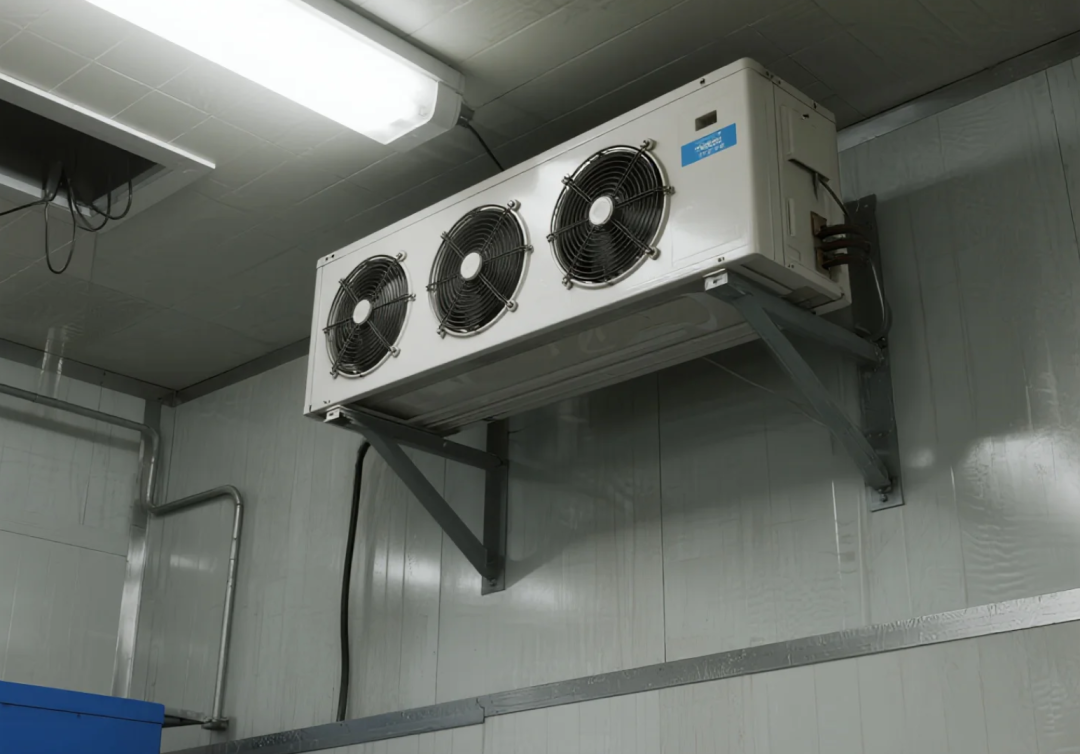
The installation location of evaporators affects their performance. Evaporators near cold room doors are prone to frost and ice buildup due to the influx of warm air. Although equipped with automatic defrost functions, frequent or prolonged door openings can compromise defrosting effectiveness, impacting temperature stability in the cold room.
8. Effective Drainage of Defrost Condensate
Condensate water from evaporator defrosting must be effectively drained. Severe frost buildup, insufficient drip tray capacity, or poor drainage can lead to water leakage. Solutions include installing additional drip trays or enlarging drain pipe diameters. Additionally, condensation on fan blades may be blown into the cold room. Improving the environment, such as by installing partition walls, can mitigate this issue.
9. Wear-Prone Components and Spare Parts Management
Condenser fan motors and evaporator electric heating elements are wear-prone components. Long-term operation in high-temperature environments increases the risk of failure. To ensure stable cold room temperatures, it is recommended to keep critical spare parts on hand for timely replacement.
10. Factors Influencing Cold Room Temperature
Cold room temperatures are influenced by various factors, including room area, stored goods volume, number and frequency of door openings, and goods turnover rates. Comprehensive control measures are necessary.
11. Fire Safety in Cold Rooms
Fire safety in cold rooms requires special attention. Sprinkler systems are often unsuitable for low-temperature environments. Therefore, open flames and smoking must be strictly prohibited indoors. Regular inspections of electrical equipment—such as evaporators, electric heating elements, and wiring—are essential to eliminate fire hazards.
12. Condenser Installation and High-Temperature Mitigation
Condensers are often installed on outdoor rooftops. High summer temperatures can increase operating pressure. If necessary, installing sunshades can lower condenser temperatures, reduce equipment load, and ensure efficient refrigeration. If the unit’s cooling capacity is sufficient, this measure may not be required.
Post time: Feb-06-2026


